
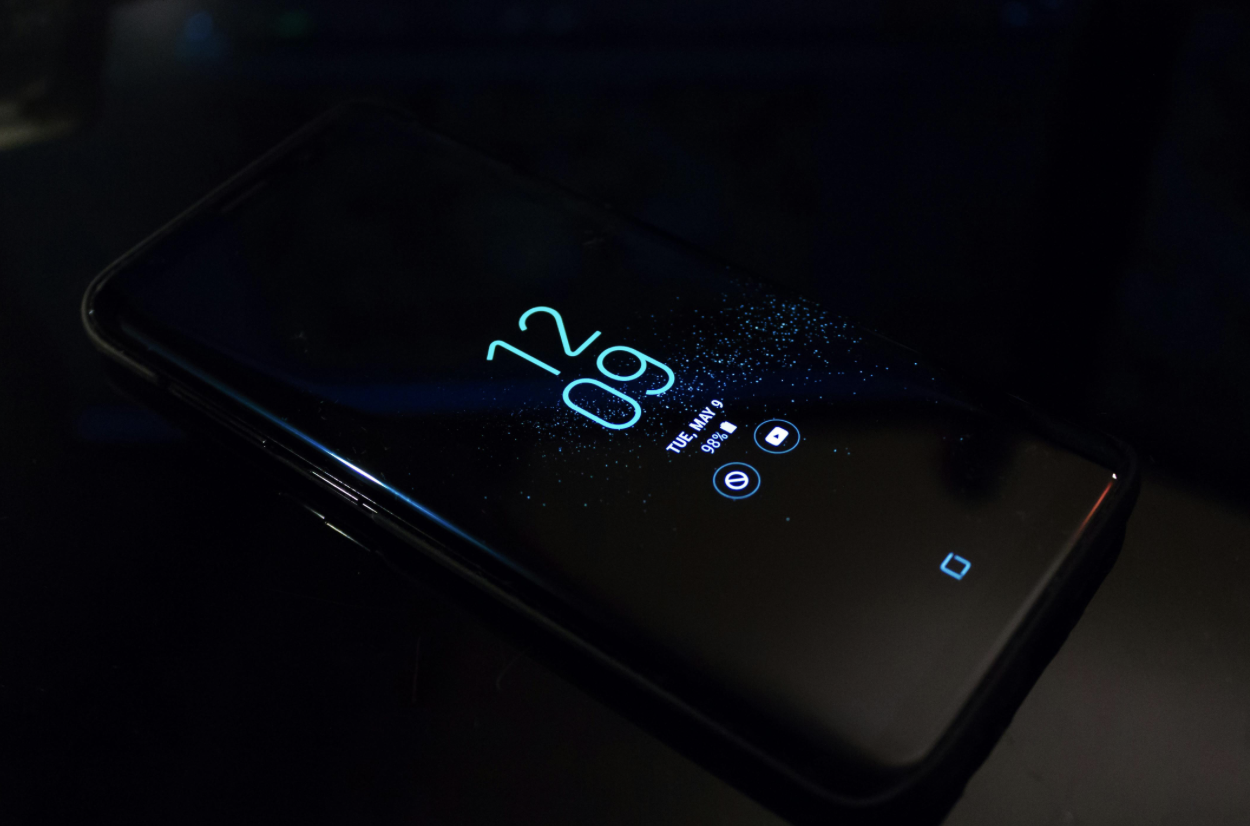
Sports fans have always found ways to stay close to the action. In the past, that meant radios, televisions, newspapers and stadium visits. Over the past decade, the tools have changed. Phones now deliver scores, lineup updates, injury news and highlight clips at all hours. In many countries, this has also affected how sports wagering is carried out. Instead of relying on storefronts or phone-in systems, some regions have shifted toward betting online because it fits into the same digital routines that fans use for news and entertainment.
Residents in Canarsie and other New York neighborhoods have seen similar digital shifts in other areas of life. Food orders, streaming, shopping, banking and local news all moved onto mobile screens. Sports have simply joined the list. What used to require a television broadcast or a printed sports page now appears through the same device used for maps, messaging and email.
From stadium seats to smartphone screens
Stadium visits and cable broadcasts shaped the sports experience for much of the 20th century. Those formats still exist today, but phones have become another place where fans keep track of what is happening. People check scores on the subway. They follow trade rumors during work breaks. They send reactions through group chats even if they are not watching the broadcast live.
International sports have also become more visible. European soccer highlights show up on American timelines within seconds. National Basketball Association games generate discussion in Africa and Asia. This global mix of content is possible because phones make sports portable rather than tied to the living room television.
Mobile data and real-time sports culture
Mobile data is a major reason this shift has taken hold far beyond the United States. The GSMA has estimated that around 416 million people in Africa use mobile internet. The number is expected to grow as telecom networks expand and more affordable smartphones reach the market. In the United States, Pew Research has reported that 90 percent of adults now own a smartphone, which has made phones an important part of sports culture regardless of geography.
Mobile access pairs naturally with real-time sports information. Live score feeds, highlight clips, injury updates and league standings appear without delay. In many regions, this environment has also made betting online more common because people are already using their phones to follow games. The sports content drives the interest. The phone delivers it. Wagering becomes another function that fits into that screen-based routine.
This does not replace traditional viewing. Fans still watch games on television or in person. The phone simply offers another layer that runs in parallel.
Platforms and digital infrastructure
Different regions show how this transition works under different conditions. Europe adopted online sports platforms earlier than many other places because broadband access and online sports media were well established. In the United States, several states introduced regulated sports wagering systems after 2018, which allowed mobile platforms to develop alongside existing sports coverage and fantasy leagues.
African markets provide a different example because mobile networks expanded faster than fixed broadband. In these regions, desktop computers and cable subscriptions were less common, so sports updates arrived through phones first. Malawi is one such market. Services like betway.mw operate online, with users interacting through mobile data rather than visiting physical locations. Football is the most-watched sport in Malawi and European leagues attract strong interest, which explains why live scores and news circulate widely on mobile screens. The same mobile environment has made betting online a practical option for adults in those markets.
These examples show how infrastructure influences the format. Broadband-heavy regions produce desktop and streaming ecosystems. Mobile-heavy regions produce app-driven and data-efficient ecosystems. The sports being followed do not change, but the method of accessing information does.
Regulation and consumer behavior
Sports wagering is regulated differently around the world. Some countries allow online formats, some allow retail-only formats and some use mixed systems. These rules shape how wagering is offered, but they do not change the basic sports experience. Fans still use phones to check scores, join fantasy leagues, follow trades and communicate during games, even in places where betting online is restricted.
Fantasy sports, sports podcasts, sports newsletters and social media coverage have also benefited from this mobile environment. All of these tools rely on the same trends: constant information, portable screens and fast communication. They all sit in the same sports ecosystem, even if they serve different purposes.
A connected fan experience
Many readers in Canarsie may recognize parts of this transformation from their own routines. Sunday football discussions now happen in text threads. Baseball highlights circulate through social feeds before nightly broadcasts. Box scores update in real time during games. Phones have become part of the sports world in the same way they became part of transportation, shopping and local news.
In Malawi and other mobile-first markets, platforms like betway.mw show how digital sports ecosystems form when mobile networks, payment tools and fan interest align. In Europe and the United States, the same transition appears through streaming packages, live score apps, fantasy platforms and, in some cases, regulated wagering systems. Betting online, constant statistics and international sports content are all part of that pattern.
The core change is not cultural. It is technological. Screens replaced storefronts, data replaced printed box scores and mobile networks removed closing hours. Sports remain central to communities, but the way people follow them has shifted. The modern fan experience now exists in stadiums, living rooms and pockets all at once.